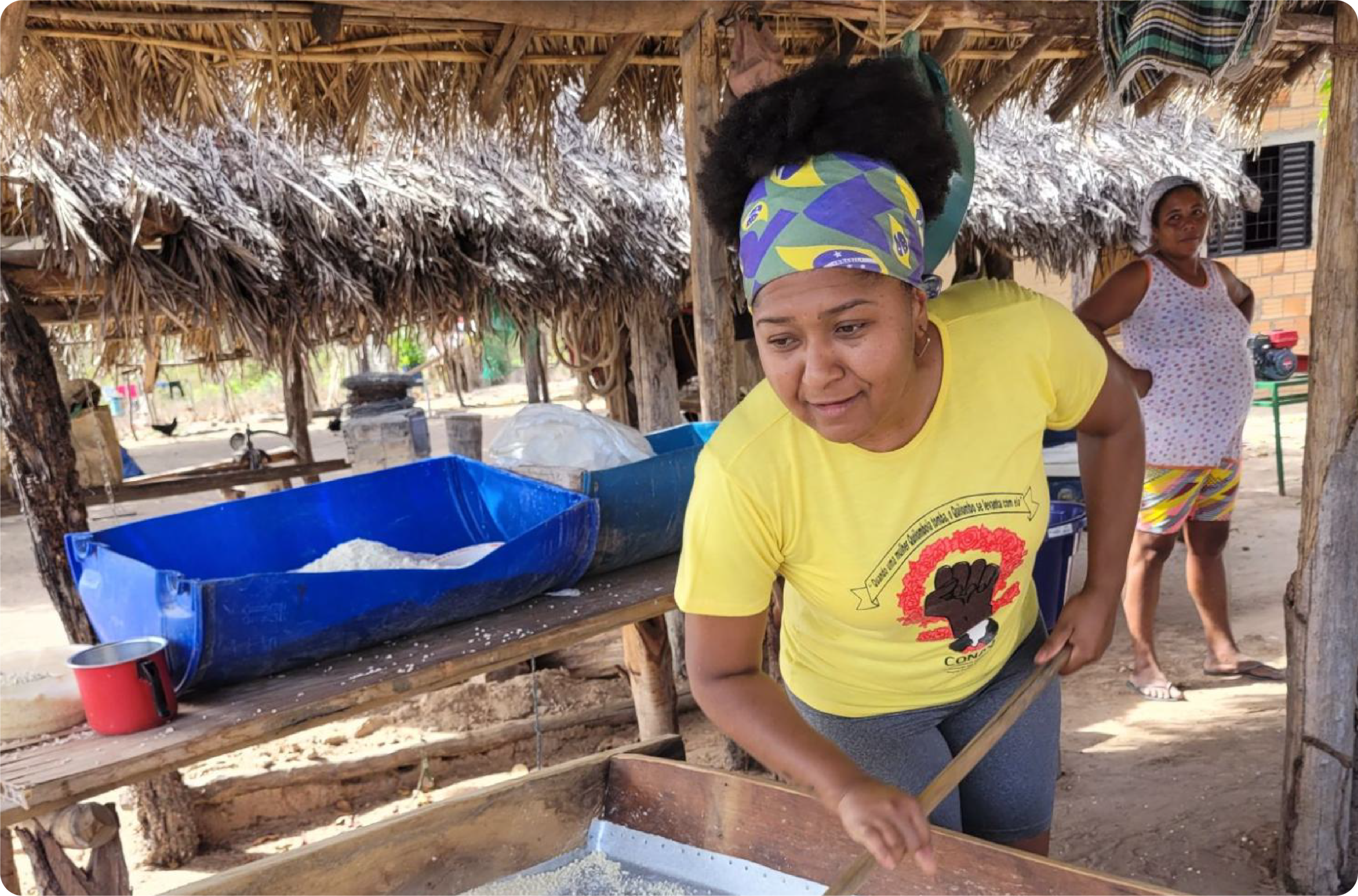
Across regions, CDWD women and LGBTQI+ individuals face compounded discrimination rooted in caste, gender, and identity. From plantation workers in Sri Lanka to Dalit women in South Asia and Roma communities in Europe, their experiences span forced labor, sexual exploitation, exclusion from services, and systemic violence. Yet, these voices remain largely absent from global gender and policy discussions. Through gender mainstreaming, intersectionality training, and leadership by CDWD women and LGBTQI+ advocates, we’re driving policy change from the ground up. Our coalition influences national and global forums—including the UN CSW, General Assembly, and Human Rights Council—and supports landmark initiatives like the upcoming UN Women policy brief on CDWD women. With Digital Empowerment Centers launching in Cameroon, we are also advancing digital access and sustainable livelihoods in the most marginalized communities.
In January 2025, TIP-GFoD, supported by Digital Empowerment Foundation (DEF) and implemented in Cameroon by Assistance Aux Laissés Pour Compte (ALPC), launched a new initiative to bring digital empowerment to historically excluded descent communities in Cameroon. Digital Empowerment Centers are now being set up in three key regions—Maroua, Bertoua, and Douala—to support CDWD communities such as the Bororos, Baka Bageli, Ngoda, and Mandara.
The first center, already active in the Far North, is helping young girls and women gain digital skills, access information, and explore entrepreneurial opportunities. The goal is simple but transformative: to strengthen livelihoods, boost economic security, and build resilience through inclusive digital access.
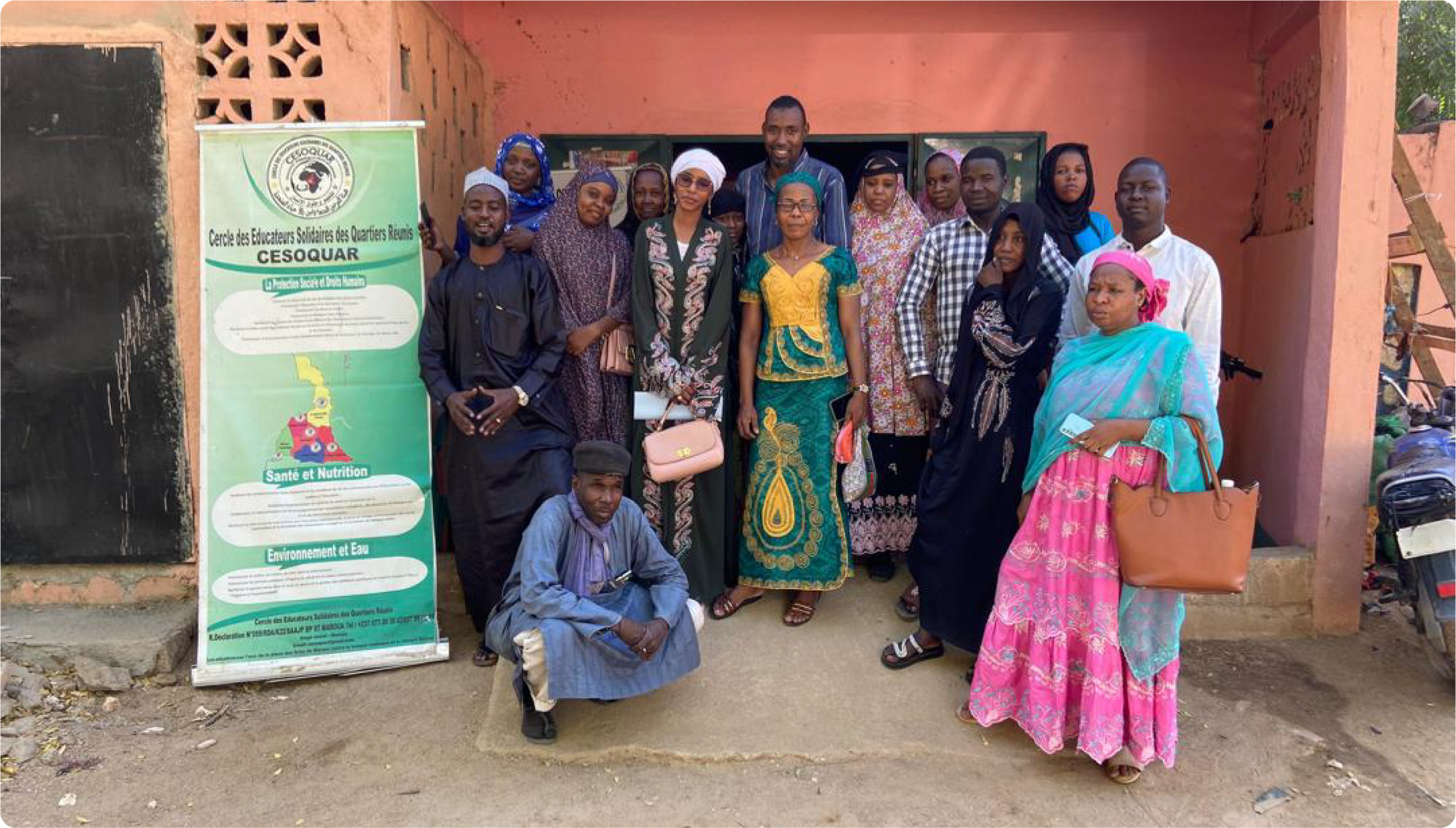
First Digital Empowerment Centre set up in Far North, Cameroon by TIP-GFoD, supported by DEF and ALPC.’
With the first center now running, more are on the way—bringing us closer to a more inclusive, sustainable and connected future across Cameroon and beyond.
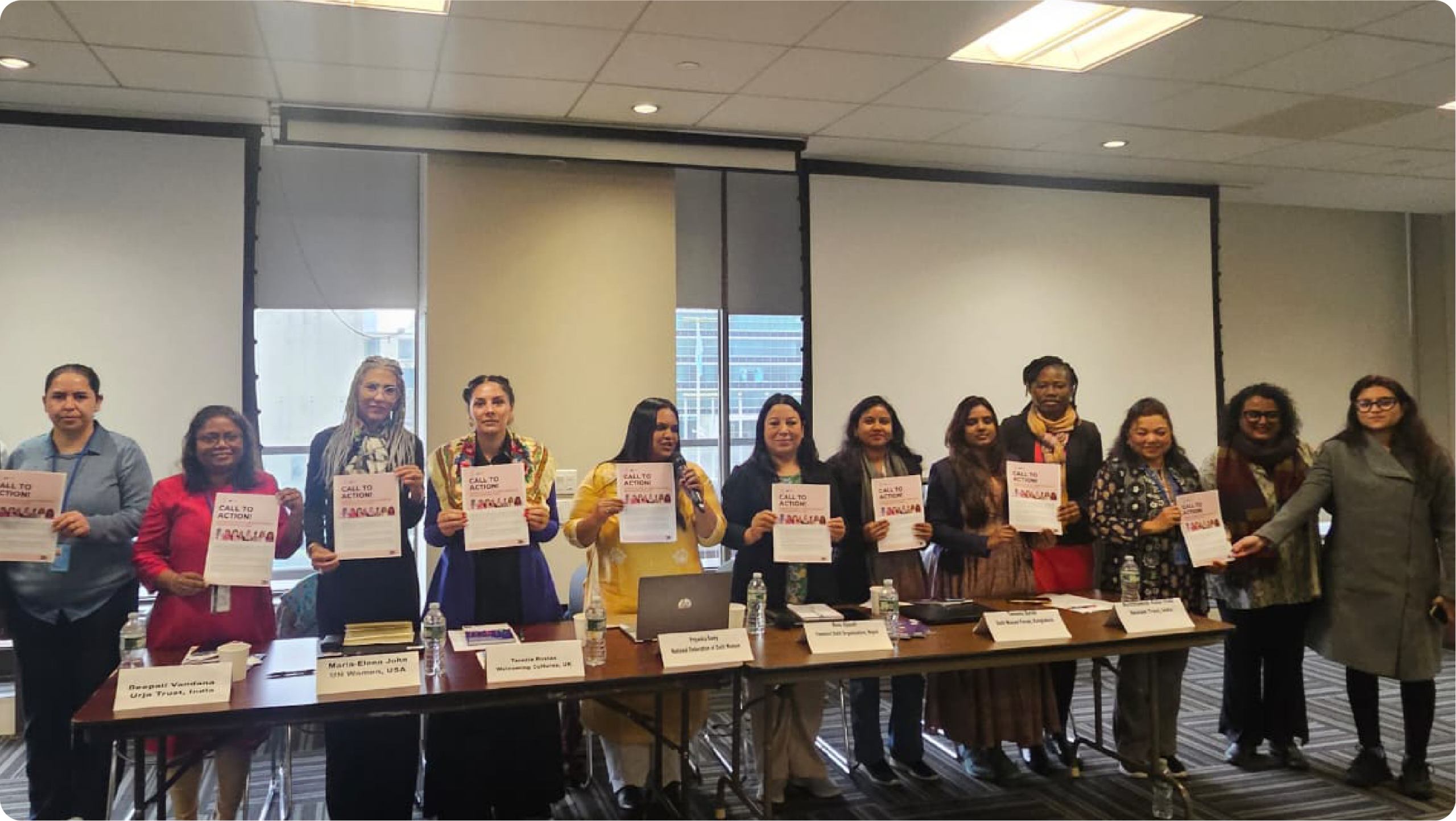
More than 40 women community workers have completed the TIP Rights Expert program. CDWD women leaders have gone on to establish a women’s working group, comprising CDWD women from across the globe to network, collaborate and discuss strategies to promote human rights protections for women. CDWD women continue to lead and represent at all regional and global human rights platforms. Since 2019, CDWD women have been actively highlighting human rights based issues at the Commission on the Status of Women (CSW), Committee on the Elimination of Discrimination Against Women (CEDAW) and other high level forums at the UN General Assembly and Human Rights Council. CDWD women have built strong coalitions including with UN Women and have developed a UN Women policy brief specific to gender and intersectional issues faced by women and girls discriminated on work and descent
First Digital Empowerment Centre set up in Far North, Cameroon by TIP-GFoD,
supported by DEF and ALPC.’